In recent months, Guangdong province in China has been facing a serious outbreak of the chikungunya virus, with over 7,000 cases reported since July. This alarming increase in chikungunya fever cases has led authorities to put measures in place that resemble those seen during the Covid-19 pandemic.
This post details the ongoing situation, focusing on the symptoms, spread, and government responses related to this mosquito-borne illness, while also providing useful information for the general public and travelers.
Understanding Chikungunya Virus
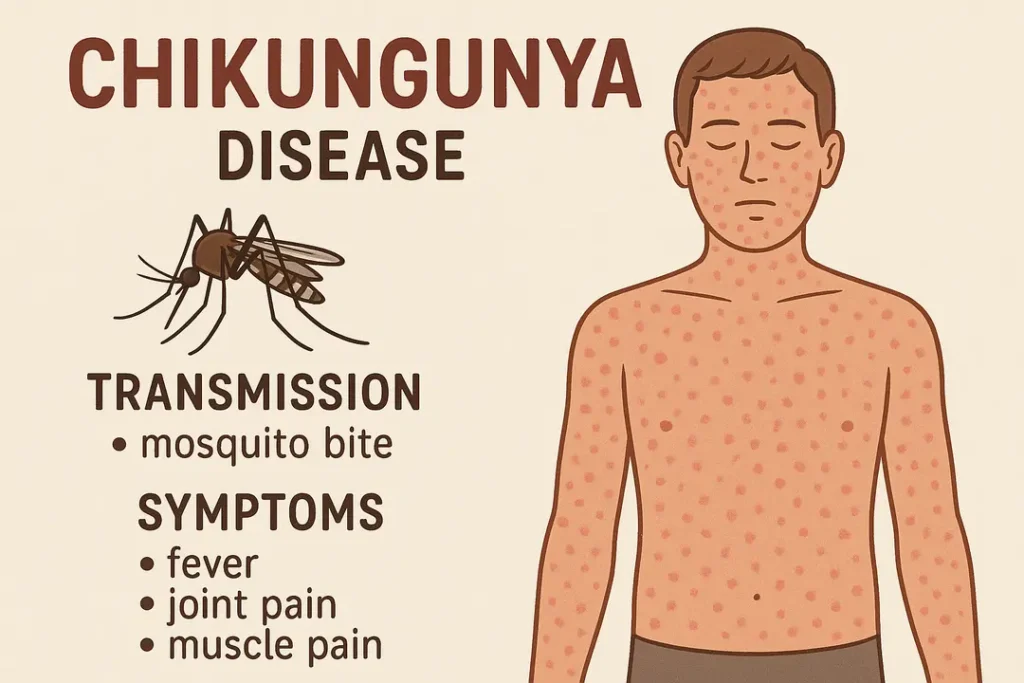
Chikungunya virus, commonly known as chikungunya, is transmitted to humans through the bite of infected mosquitoes, primarily from the Aedes species. Symptoms usually appear within 2 to 12 days after the bite and can include:
- Fever
- Severe joint pain
- Headache
- Muscle pain
- Rash
- Fatigue
While chikungunya is not contagious from person to person, its effects can be debilitating, particularly the joint pain, which can persist for months or years. More than 30% of patients may experience chronic joint issues. This virus, previously common in South and Southeast Asia, as well as parts of Africa, has been uncommon in China until now.
Current Situation in Guangdong Province
As of the latest updates, 12 cities in Guangdong, including Foshan, are battling chikungunya infections. In just the past week, authorities have confirmed nearly 3,000 new cases.
Foshan, the city most severely affected, has implemented measures ensuring that chikungunya patients receive necessary care. Health authorities now require that all chikungunya patients be admitted to hospitals where they are treated in beds protected by mosquito nets. Patients must stay for at least a week and can only leave once they test negative or complete their treatment.
The rise of chikungunya in urban locations like Foshan has caused alarm among residents. Many are increasingly aware of the risks linked to mosquito-borne diseases. Surveys indicate that nearly 60% of residents express concern about their family’s health due to this virus.
Recent Developments
A recent report revealed the first case of chikungunya in Hong Kong involving a 12-year-old boy who showed symptoms after traveling to Foshan in July. This situation raises alarms about the virus potentially spreading beyond Guangdong, amplifying worries among health officials.
Despite the surge in cases, health authorities have stated that 95% of patients have experienced mild symptoms and were discharged quickly, typically within a week. Nonetheless, discussions on platforms like Weibo indicate growing anxiety among the public about the possibility of long-term joint pain, which highlights the need for better awareness and information.
Public Health Response
In response to the outbreak, the Chinese government is taking serious steps to control the chikungunya virus’s spread. Authorities are focusing on raising public awareness and reducing mosquito populations that carry the virus.
According to the World Health Organization (WHO), one effective measure for controlling the virus’s dissemination is reducing stagnant water, which breeds mosquitoes. Initiatives may include:
- Public Health Campaigns: Educating communities about the risks of chikungunya and prevention tactics.
- Mosquito Control Efforts: Targeting areas where mosquitoes breed to reduce their numbers.
Health officials also encourage the public to take preventive steps by using mosquito repellent, wearing long-sleeved clothing, and ensuring homes are free of standing water.
Symptoms of Chikungunya
Recognizing the symptoms of chikungunya is crucial for ensuring timely medical intervention. Initial signs may mimic those of other viral infections:
- Fever: Often the first symptom experienced.
- Joint Pain: Severe joint pain is characteristic of chikungunya and may last for long periods.
- Headache: Many individuals report moderate to severe headaches.
- Muscle Pain: General muscle aches may accompany the fever.
- Rash: Skin rashes can develop in some cases.
If you notice these symptoms, especially following travel to affected areas, seeking medical advice is essential.
Preventative Measures
Travelers and residents should consider the following strategies to protect themselves from chikungunya infection:
- Avoid Mosquito Bites: Use insect repellent containing DEET or picaridin.
- Wear Protective Clothing: Long sleeves and pants can help reduce the risk of bites.
- Secure Living Spaces: Check and repair window and door screens, and eliminate standing water around homes.
- Stay Informed: Keep updated on local outbreaks and health advisories.
Stay Safe, Stay Informed
The recent chikungunya outbreak in Guangdong province serves as a reminder of the threats posed by mosquito-borne diseases. While the virus generally presents mild symptoms, the persistent joint pain highlights the importance of public awareness and proactive prevention.
As health authorities manage the outbreak, it remains crucial for the public—especially those in or traveling to affected areas—to stay vigilant. Understanding chikungunya, recognizing its symptoms, and adopting preventative approaches are key to combating the virus and protecting communities in Guangdong and beyond.
Staying informed and responsive to health advisories allows individuals to make safer choices during this period of heightened concern.